
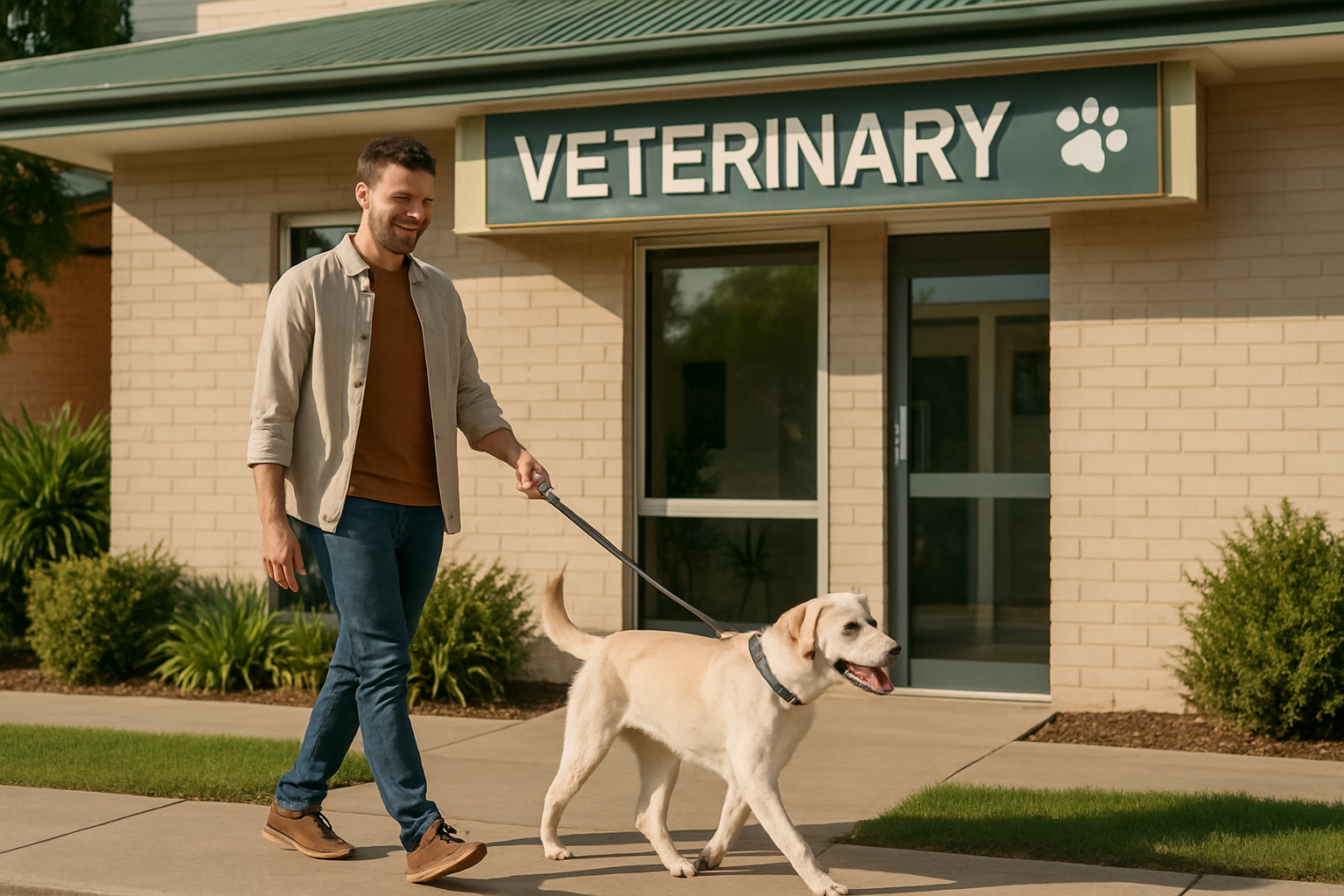
C3, C5 and Dog Vaccines Explained for Australian Pet Owners
In Australia, dog vaccines are categorised by the number of diseases they cover. A C3 vaccine protects against parvovirus, distemper and hepatitis. A C5 adds kennel cough protection. A C7 extends cover to include two leptospirosis strains. Your vet will recommend the right combination based on your dog's lifestyle and risk.
Table of Contents
- Dog Vaccines in Australia: What the Numbers Mean
- What Does a C3 Vaccine Cover?
- C5 Vaccine: Adding Kennel Cough Protection
- Is C5 Compulsory for Boarding Kennels in Australia?
- C7 and Other Canine Vaccine Combinations
- Puppy Vaccination Schedule in Australia
- Adult Dog Vaccination Boosters
- Dog Vaccination Costs in Australia
- Keeping Your Dog's Vaccination Records Up to Date
Dog Vaccines in Australia: What the Numbers Mean
When it comes to dog vaccines in Australia, the letters and numbers on your vet's vaccination reminder card — C3, C5, C7 — can feel a little like a secret code. But they're actually a straightforward shorthand for the number of diseases a particular vaccine combination protects against. Understanding these categories helps you have more informed conversations with your vet and ensures your dog receives the protection they need throughout their life.
The 'C' stands for 'canine', and the number refers to how many disease components are included in the vaccination. All dogs in Australia are recommended to receive core vaccinations, which guard against the most serious and widespread infectious diseases. Non-core vaccines are added depending on your dog's individual lifestyle, environment, and risk of exposure. This article is general information only and is not a substitute for veterinary advice.
What Does a C3 Vaccine Cover?
The C3 vaccine is the foundation of canine vaccination in Australia and is considered a core vaccine for all dogs, regardless of lifestyle. It protects against three serious and potentially fatal diseases: canine parvovirus, canine distemper, and infectious canine hepatitis (caused by canine adenovirus). These diseases can spread rapidly between dogs and, in the case of parvovirus in particular, can survive in the environment for extended periods.
Canine parvovirus is especially concerning in Australia, as outbreaks still occur in both regional and urban areas. It causes severe gastrointestinal illness and can be fatal, particularly in puppies and unvaccinated adult dogs. Distemper affects the respiratory, gastrointestinal and nervous systems, while infectious hepatitis targets the liver. Fortunately, the C3 vaccine is highly effective, and keeping it up to date is one of the most important things you can do for your dog's long-term health.
C5 Vaccine: Adding Kennel Cough Protection
A C5 vaccine builds on the C3 by adding protection against two of the main causes of kennel cough — Bordetella bronchiseptica and canine parainfluenza virus. Kennel cough (also known as infectious tracheobronchitis) is a highly contagious respiratory illness that spreads easily wherever dogs come into contact with one another. Most boarding kennels, doggy daycares and dog parks across Australia require proof of a current C5 vaccination before allowing entry.
The kennel cough components in a C5 may be delivered as a separate intranasal (nose drop) vaccine alongside the C3 injection, or in some cases as a combined injectable product — your vet will advise on what's available and most appropriate for your dog. Even if your dog doesn't visit kennels, the C5 is often recommended for any dog that socialises with other dogs, attends training classes, visits grooming salons, or is walked in public parks regularly.
Is C5 Compulsory for Boarding Kennels in Australia?
While there is no Australia-wide legal requirement for the C5 specifically, the vast majority of reputable boarding kennels, pet resorts, and doggy daycare facilities across the country require dogs to be vaccinated to at least C5 standard before they can be admitted. This policy protects all animals in the facility. If you're planning to board your dog, check with the facility well in advance — some require the kennel cough booster to have been administered at least five to seven days before the stay to allow immunity to develop.
C7 and Other Canine Vaccine Combinations
A C7 vaccine extends the C5 by adding protection against two strains of Leptospira bacteria, which cause leptospirosis — a serious bacterial disease that can affect both dogs and humans. In Australia, leptospirosis is most commonly seen in dogs in northern Queensland, the Northern Territory and other tropical or subtropical regions where contact with wildlife, floodwaters or rodent populations is more likely. Vets in these areas may recommend C7 as a routine vaccination, while it remains less commonly used in cooler southern regions.
You may also encounter references to C4 and C6 vaccines, which represent intermediate combinations. Your vet will tailor the vaccination protocol to your dog's specific circumstances, taking into account where you live, your dog's lifestyle, and any regional disease risks. There is no single 'right' answer for every dog — this is exactly why a conversation with your vet is so valuable. find a vet near you who can assess your dog's individual vaccination needs.
Puppy Vaccination Schedule in Australia
Puppies require a course of vaccinations in their first few months of life to build adequate immunity. Maternal antibodies passed from mother to puppy can interfere with vaccine effectiveness, which is why a series of injections is needed rather than just one. The typical puppy vaccination schedule recommended by Australian vets follows a course starting at around six to eight weeks of age, with further doses at ten to twelve weeks and again at fourteen to sixteen weeks.
After the puppy course is complete, a booster is usually given at around twelve months of age to consolidate immunity. Until the full puppy course is complete and your vet has confirmed adequate protection, it's generally advisable to limit your puppy's exposure to unvaccinated dogs and potentially contaminated environments. Your vet will guide you on when it's safe for your pup to socialise freely — and this milestone is often a cause for celebration for new dog owners.
Adult Dog Vaccination Boosters
Once the puppy course is complete, adult dogs typically receive booster vaccinations on an ongoing schedule. In Australia, current veterinary guidelines support a triennial (every three years) booster for the core C3 components in adult dogs that have completed their full puppy course and twelve-month booster. However, the kennel cough components (Bordetella and parainfluenza) generally require more frequent boosting — often annually — because immunity to these pathogens wanes faster. Your vet will advise on the schedule that suits your individual dog.
Dog Vaccination Costs in Australia
Vaccination costs in Australia vary depending on your location, the type of clinic, and which vaccines your dog requires. A puppy vaccination visit typically costs somewhere in the range of $80–$150 AUD per consultation, and because puppies require multiple visits for their initial course, the total cost for the full puppy series can be in the range of $200–$400 AUD. Adult annual or triennial booster appointments tend to cost between $80–$200 AUD, depending on the vaccines administered and the vet consultation fee.
It's worth remembering that vaccination costs are just one part of your dog's preventive healthcare budget. Many pet owners are surprised to find that pet insurancepolicies do not typically cover routine vaccinations, as they are considered a standard wellness expense rather than an unexpected illness or injury. Some insurers offer optional wellness extras that may contribute towards vaccination costs, and the policy wording sets out what is included. You can alsoupload a vet bill to help understand and compare what you've been charged.
Keeping Your Dog's Vaccination Records Up to Date
In Australia, your vet will provide a vaccination certificate or record card each time your dog is vaccinated. It's important to keep this document somewhere safe, as you'll need it when registering your dog with your local council, enrolling them in puppy school, using boarding facilities, or travelling interstate. Some councils in Australia require proof of current vaccination as part of the dog registration process, and requirements can vary between local government areas.
If you're ever unsure about your dog's vaccination history — for example, if you've adopted a rescue dog or have lost paperwork — speak with your vet. They may recommend a blood titre test to assess existing immunity levels, or they may suggest re-vaccinating as a precaution. Either way, your vet is the best person to advise on the most appropriate course of action for your individual dog's health history and lifestyle. For more pet care advice, explore our library of guides for Australian pet owners.
Frequently Asked Questions
What is the difference between a C3 and C5 dog vaccine in Australia?
A C3 vaccine protects against three core diseases: parvovirus, distemper, and infectious hepatitis. A C5 includes all of the C3 components plus two causes of kennel cough — Bordetella bronchiseptica and canine parainfluenza virus. The C5 is recommended for dogs that socialise with other dogs or use boarding facilities.
How often does my dog need vaccinations in Australia?
Puppies need a series of vaccinations starting from around six to eight weeks, followed by boosters at ten to twelve weeks and fourteen to sixteen weeks, then again at twelve months. For adult dogs, core C3 components are often boosted every three years, while kennel cough components may need annual boosting. Your vet will recommend the schedule that best suits your dog.
Are dog vaccinations compulsory in Australia?
There is no national law in Australia making dog vaccinations compulsory, but many local councils strongly encourage or effectively require them as part of dog registration. Boarding kennels and doggy daycares almost universally require at minimum a current C5 vaccination. Vaccinating your dog is considered a core responsibility of pet ownership.
How much do dog vaccinations cost in Australia?
Costs vary by location and clinic type. A single puppy vaccination visit typically ranges from $80–$150 AUD, with the full puppy course often costing $200–$400 AUD in total. Adult booster appointments generally cost between $80–$200 AUD. It's always a good idea to call your local vet clinic for a current price estimate.
What diseases does the C7 dog vaccine protect against?
A C7 vaccine covers all the components of a C5 (parvovirus, distemper, hepatitis, and two kennel cough pathogens) plus two strains of Leptospira bacteria that cause leptospirosis. It is most commonly recommended for dogs in tropical and subtropical parts of Australia, such as northern Queensland and the Northern Territory.
When can my puppy socialise with other dogs after vaccination?
Your vet will advise on the safest time for your puppy to mix with other dogs based on their vaccination status. Generally, it's recommended to wait until one to two weeks after the final puppy vaccination, when immunity has had time to develop. Puppy classes run in controlled environments are often considered suitable before the full course is complete — ask your vet for guidance.
Does pet insurance cover dog vaccinations in Australia?
Standard pet insurance policies in Australia generally do not cover routine vaccinations, as they are considered a preventive wellness expense. Some insurers offer optional wellness extras or preventive care add-ons that may contribute towards vaccination costs. Always read your policy's product disclosure statement carefully to understand what is and isn't covered.
Can I find out if my rescued dog has been vaccinated before?
If you have adopted a dog and are unsure of their vaccination history, speak with your vet. They can check for any existing records, discuss a blood titre test to assess current immunity, or advise on re-vaccination as a precaution. It's always safest to establish a clear vaccination history with your vet as early as possible.
General Health Guidance — Not a Diagnosis
The health and care guidance in this article is general in nature and does not account for your dog's individual needs. Every dog is different — a prevention product, diet or care approach that suits one pet may not be appropriate for another. Always consult a registered veterinarian before changing your dog's health routine or starting any treatment. This article is not a substitute for a professional veterinary examination or personalised advice. Price ranges in this article are indicative only, based on general market data across Australia. What you pay for your dog's care will depend on your location, the clinic you choose, your dog's size, breed and health status, the complexity of the procedure, and whether diagnostics, medications or after-hours care are required. Always request a personalised quote directly from your vet before proceeding with any treatment. This article is not a formal cost estimate for your specific pet and is not financial advice.