
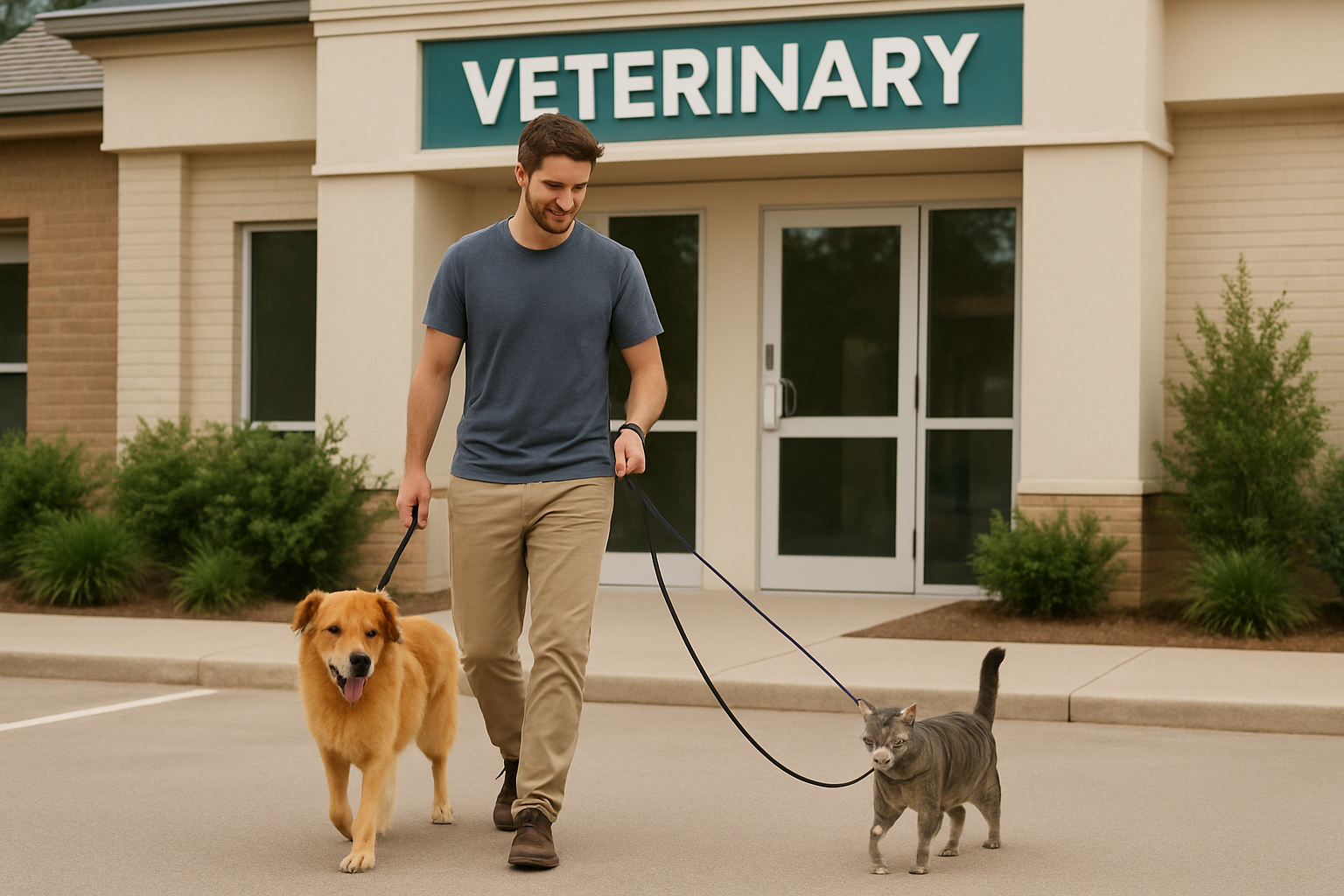
Dog and Cat Desexing Recovery: What to Expect After Surgery
Most dogs and cats recover from desexing within 10 to 14 days. The first 48 hours are the most critical — pets need rest, limited movement, and a clean incision site. Watch for swelling, discharge, or lethargy beyond the first day, and follow your vet's aftercare instructions closely.
Table of Contents
- What Happens Immediately After Desexing Surgery
- The First 48 Hours: Dog Desexing Aftercare and Cat Desexing Recovery Time
- Caring for the Wound Site
- Warning Signs to Watch For After Desexing Surgery
- Week One to Two: Returning to Normal Activity
- Understanding Desexing Costs and Using Pet Insurance in Australia
- Long-Term Health After Desexing
What Happens Immediately After Desexing Surgery
Understanding desexing recovery for dogs and cats in Australia starts with knowing what happens in the clinic before your pet even reaches home. After surgery, your dog or cat will spend time in a recovery ward while the anaesthetic wears off. Clinic staff monitor breathing, heart rate, and temperature during this period, and most pets are ready to go home the same day — typically within a few hours of their procedure finishing.
When you collect your pet, the veterinary team will walk you through a discharge summary covering wound care, medication, feeding instructions, and activity restrictions. It is worth taking notes or asking for a written copy, as it can be easy to forget details when you are focused on your groggy companion. If anything is unclear, ask before you leave — Australian veterinary clinics expect these questions and are happy to clarify.
The First 48 Hours: Dog Desexing Aftercare and Cat Desexing Recovery Time
The first two days after desexing are the most important for both dogs and cats. Your pet will likely be quieter than usual, sleep more, and show little interest in food for the first 12 to 24 hours — this is a normal response to anaesthetic. Offer small amounts of water and a light meal that evening, and do not be alarmed if they skip it entirely. Appetite usually returns by the following morning.
Activity restriction is essential during this window. Dogs should be kept on a lead for toilet breaks only, avoiding running, jumping, or rough play. Cats should be confined to a small, quiet room away from stairs, high surfaces, and other pets. The surgical incision is at its most vulnerable in these early hours, and any strain on the site can disrupt healing or cause bleeding beneath the skin.
Pain relief is commonly prescribed by Australian vets as part of the discharge pack — typically anti-inflammatories or mild analgesics. Always follow your vet's dosing instructions carefully and never give human pain medications such as paracetamol or ibuprofen to pets, as these can be toxic. If your pet appears to be in significant distress rather than mild discomfort, contact your clinic promptly.
Caring for the Wound Site
Keeping the incision clean and dry is one of the most important aspects of desexing aftercare. Check the wound gently once or twice a day for the first week. A small amount of redness and mild swelling immediately around the stitches is normal in the first couple of days, but this should gradually improve rather than worsen. Avoid bathing your pet or allowing the area to get wet until your vet confirms the wound has fully closed.
Most pets will try to lick or chew at the incision site, which introduces bacteria and can pull out stitches. An Elizabethan collar — commonly called an e-collar or cone — is the standard solution, and your clinic will often send one home with your pet. Softer alternatives such as inflatable collars or recovery suits are available from many Australian pet stores if your pet finds the rigid cone distressing, though check with your vet that the alternative prevents access effectively.
Stitches may be absorbable (dissolving on their own) or non-absorbable (requiring removal at a follow-up appointment, usually 10 to 14 days post-surgery). Your discharge summary will specify which type was used. Even with absorbable stitches, many Australian vet clinics recommend a check-up visit to confirm healing is progressing well — this appointment is often included in the original desexing fee, so it pays to confirm this when you book.
Warning Signs to Watch For After Desexing Surgery
While most pets recover without complications, it is important to know which signs warrant a call to your vet. Contact your clinic promptly if you notice any of the following: excessive bleeding or fluid draining from the wound site, stitches that appear to have opened or are missing, significant swelling or heat around the incision, vomiting that continues beyond the first day, or your pet becoming unresponsive or extremely pale.
Persistent lethargy beyond 48 hours, refusal to eat for more than two days, or obvious signs of pain such as crying, hunching, or guarding the abdomen are also reasons to seek veterinary advice sooner rather than later. This article is general information only and is not a substitute for veterinary advice. If you are ever uncertain about how your pet is recovering, calling your vet or an after-hours clinic is always the right choice — Australian vets would far rather hear from a cautious owner than see a complication that went unnoticed.
Some Australian metropolitan areas have dedicated emergency veterinary centres available 24 hours a day if concerns arise outside of business hours. Find a vet near you using our directory to locate your nearest clinic, including after-hours options, before you need one.
Week One to Two: Returning to Normal Activity
By days three to five, most cats and dogs start to feel considerably better — often better than they should be given they are still healing internally. This is the stage where owners need to stay firm about restricting activity, even when their pet seems full of energy. Internal tissues take longer to heal than the visible wound, and over-exertion during this window is a common cause of complications such as seroma formation (fluid accumulation under the skin) or incision breakdown.
Dogs can gradually return to short, lead-controlled walks from around day five if the wound is healing well, progressing to normal activity levels once your vet has cleared them at the follow-up appointment. Cats can typically return to light indoor activity by week two, with outdoor access (for those who have it) best delayed until full healing is confirmed. Swimming, dog parks, and high-energy play should wait until your vet gives the all-clear — usually around the two-week mark.
Understanding Desexing Costs and Using Pet Insurance in Australia
Desexing costs in Australia vary depending on the species, size, sex, and age of your pet, as well as your location and the clinic you choose. Female animals generally cost more to desex than males due to the more involved nature of the procedure, and larger dogs attract higher fees than smaller breeds. For a detailed breakdown of what to expect to pay, visit our guide on the cost of desexing a dog or cat in Australia in 2026.
Most standard pet insurance policies in Australia do not cover elective procedures such as routine desexing, though some comprehensive wellness add-ons may contribute to the cost. If your pet experiences a post-surgical complication that requires additional veterinary treatment, however, that follow-up care may be claimable depending on your policy terms. A policy's documents set out whether desexing or recovery care is covered.
Long-Term Health After Desexing
Once your pet has fully recovered, desexing delivers a range of long-term health and behavioural benefits. In female dogs and cats, desexing significantly reduces the risk of mammary tumours (particularly when performed before the first heat cycle), eliminates the risk of pyometra (a potentially life-threatening uterine infection), and prevents unwanted pregnancies. In males, it removes the risk of testicular cancer and can reduce prostate issues as they age.
Behaviourally, desexed pets often show reduced roaming, territorial marking, and aggression — though it is important to understand that desexing is not a cure-all for behavioural issues, many of which have environmental or training-related causes. Your vet is the best person to discuss realistic expectations for your individual pet. With millions of pets desexed each year across Australia, it remains one of the most straightforward ways to support a long, healthy life for your companion.
Frequently Asked Questions
How long does desexing recovery take for dogs and cats in Australia?
Most dogs and cats recover from desexing within 10 to 14 days. The visible wound typically heals within this timeframe, though internal tissues may take a little longer. Your vet will confirm when your pet is fully cleared for normal activity at a follow-up check, usually scheduled around the 10 to 14-day mark.
When can my dog go back to normal activity after desexing?
Dogs should be restricted to short, lead-controlled toilet walks for the first five to seven days. After a vet check confirms the wound is healing well — usually around 10 to 14 days post-surgery — most dogs can gradually return to their normal exercise routine. High-energy activities like running off-lead or dog park visits should wait until full clearance.
Is it normal for my cat to be sleepy after desexing?
Yes, sleepiness and reduced appetite in the first 24 to 48 hours is completely normal and is a typical response to anaesthesia. Most cats perk up noticeably by the second day. If your cat is still very lethargic, not eating, or seems to be in pain after 48 hours, contact your vet for advice.
Does my pet need to wear a cone after desexing?
Yes, an e-collar (cone) is strongly recommended to prevent your pet from licking or chewing the incision site. Licking introduces bacteria and can remove stitches, leading to infection or wound breakdown. The cone should be worn continuously until your vet confirms the wound has healed — typically 10 to 14 days. Softer alternatives may suit some pets, but check with your vet that they effectively prevent access to the wound.
What are the warning signs of complications after desexing?
Contact your vet promptly if you notice: excessive bleeding or discharge from the wound, stitches that appear open or missing, significant swelling or heat around the incision, vomiting beyond the first day, persistent refusal to eat after 48 hours, or signs of severe pain such as crying or guarding the abdomen. When in doubt, always call your clinic — it is always better to check.
Can I bathe my dog or cat after desexing?
No — you should avoid bathing your pet or allowing the incision site to get wet until your vet confirms the wound is fully healed. Water can soften the wound edges and introduce bacteria, increasing infection risk. Most vets recommend waiting at least 10 to 14 days before bathing, and some may advise longer depending on how healing progresses.
How much does desexing cost in Australia?
Desexing costs in Australia vary depending on your pet's species, sex, size, and age, as well as your location and clinic. Cat desexing generally ranges from around $200 to $400 AUD, while dog desexing can range from around $300 to $600 AUD or more for larger breeds. Female animals typically cost more than males. For a full breakdown, visit VetCompare's guide to desexing costs in Australia.
Will pet insurance cover desexing and recovery costs in Australia?
Standard pet insurance policies in Australia typically do not cover the routine cost of desexing, as it is considered an elective procedure. However, if your pet experiences a complication after desexing that requires additional veterinary treatment, that follow-up care may be claimable under some policies. Check your policy's product disclosure statement carefully, or compare policies to find one with wellness benefits that may contribute to the cost.
General Health Guidance — Not a Diagnosis
The health and care guidance in this article is general in nature and does not account for your pet's individual needs. Every dog or cat is different — a prevention product, diet or care approach that suits one pet may not be appropriate for another. Always consult a registered veterinarian before changing your pet's health routine or starting any treatment. This article is not a substitute for a professional veterinary examination or personalised advice. Price ranges in this article are indicative only, based on general market data across Australia. What you pay for your pet's care will depend on your location, the clinic you choose, your pet's size, breed and health status, the complexity of the procedure, and whether diagnostics, medications or after-hours care are required. Always request a personalised quote directly from your vet before proceeding with any treatment. This article is not a formal cost estimate for your specific pet and is not financial advice.