
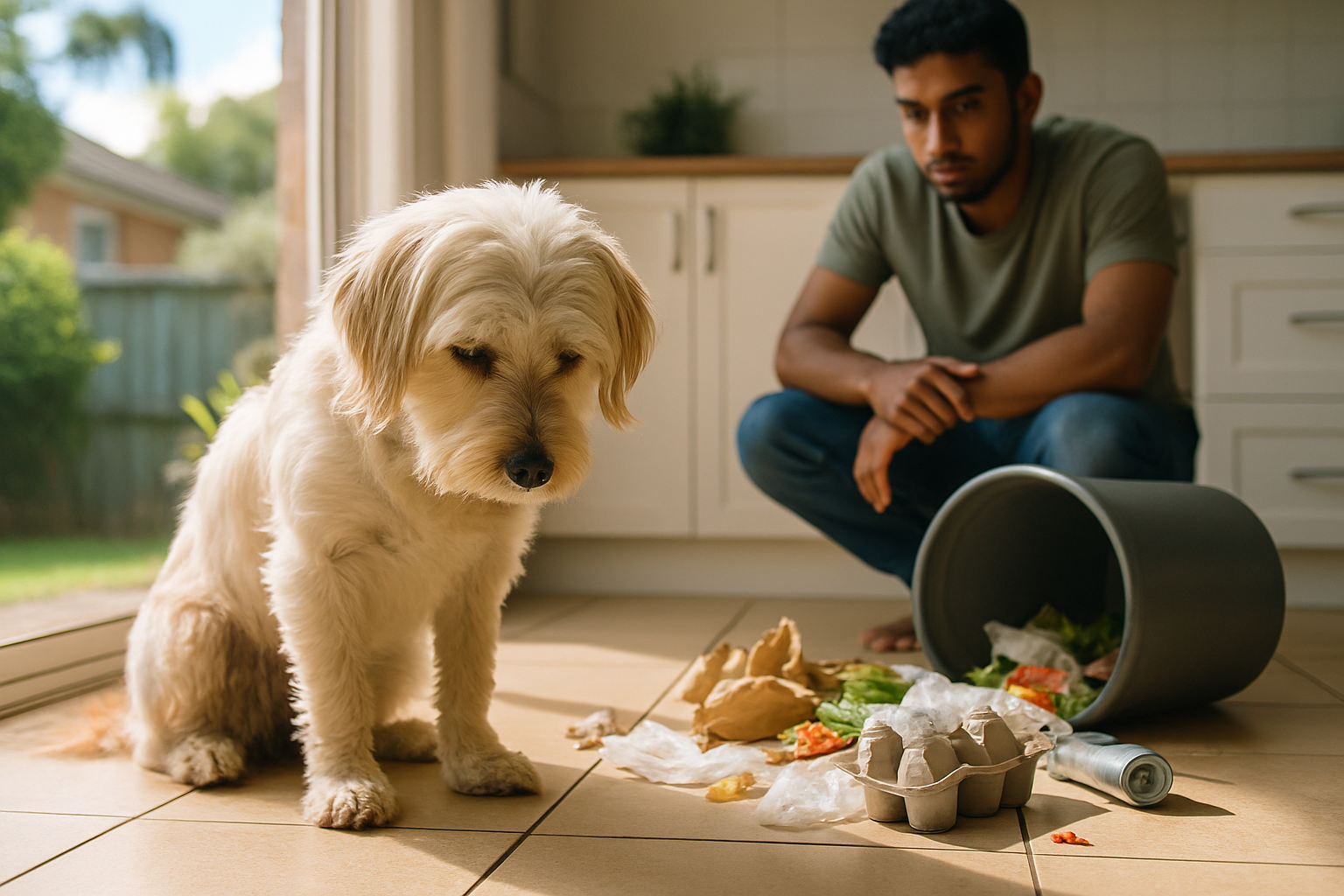
Vomiting in Dogs: Common Causes and When to See a Vet
See a vet promptly if your dog vomits more than twice in 24 hours, shows blood in vomit, appears lethargic, has a swollen abdomen, or you suspect they've swallowed something toxic. Single episodes with no other symptoms can often be monitored at home, but a vet can determine whether treatment is needed.
Table of Contents
- Why Do Dogs Vomit?
- Common Causes of Dog Vomiting
- Vomiting vs. Regurgitation: What's the Difference?
- Dog Vomiting Emergency Signs You Should Not Ignore
- When Can You Monitor at Home?
- What to Expect at the Vet: Diagnosis and Treatment Costs
- Preventing Vomiting in Dogs Where Possible
- Talk to Your Vet — They Are Your Best Resource
Why Do Dogs Vomit?
Knowing when dog vomiting means you need to see a vet starts with understanding why dogs vomit in the first place. Vomiting is one of the most common reasons Australian pet owners bring their dogs to a clinic, and the causes range from the entirely harmless — such as eating too quickly — to genuinely life-threatening conditions that require urgent attention. This article is general information only and is not a substitute for veterinary advice.
Dogs are naturally curious and often indiscriminate eaters, which makes them prone to stomach upsets. A single vomiting episode with no other symptoms is usually not a cause for alarm. However, repeated vomiting, vomiting combined with other signs of illness, or vomiting in certain high-risk situations should always be assessed by a vet. Understanding the difference can save you stress — and potentially your dog's life.
Common Causes of Dog Vomiting
There is a wide spectrum of reasons a dog might vomit, and pinpointing the cause often requires a vet examination. Some of the most frequently seen causes in Australian veterinary clinics include dietary indiscretion (eating something unsuitable, such as rubbish, table scraps, or grass), sudden changes in diet, food intolerances, intestinal parasites, and motion sickness during car travel.
Other causes can be more serious. These include swallowing a foreign object (such as a toy, bone fragment, or sock), gastroenteritis, pancreatitis, kidney or liver disease, parvovirus (particularly in unvaccinated puppies), and toxin ingestion. Certain plants, household chemicals, human medications, and foods like grapes, onions, and xylitol-containing products are toxic to dogs and may cause vomiting as an early symptom.
Vomiting vs. Regurgitation: What's the Difference?
It is worth noting that vomiting and regurgitation are not the same thing, even though they look similar. Vomiting involves active abdominal effort and usually brings up partially digested food or bile. Regurgitation, by contrast, is passive — food comes back up shortly after eating without much warning or effort, and it often looks undigested. Both warrant attention, but regurgitation can be a sign of conditions such as oesophageal problems or megaoesophagus, which a vet can investigate further.
Dog Vomiting Emergency Signs You Should Not Ignore
Most dog owners will deal with an occasional vomiting episode that resolves on its own, but there are clear warning signs that indicate an emergency. Seek urgent veterinary care if your pet is struggling to breathe, collapses, has repeated vomiting, severe pain, suspected poisoning or sudden weakness. These symptoms suggest something more serious is happening and time matters.
Other red flags include vomiting blood (which may appear as bright red or dark coffee-ground material), a bloated or distended abdomen, signs of extreme pain such as restlessness or inability to get comfortable, pale or white gums, vomiting combined with diarrhoea, or any vomiting in a very young puppy or a dog with a known health condition. If your dog has eaten a known toxin — even if they seem fine — contact a vet or the Animal Poisons Helpline immediately without waiting for symptoms to develop.
Gastric dilatation-volvulus (GDV), sometimes called bloat, is one of the most time-critical emergencies seen in Australian clinics. It is more common in large, deep-chested breeds and involves the stomach filling with gas and twisting. A dog with GDV may attempt to vomit repeatedly without bringing anything up, appear distressed, and have a visibly swollen belly. This condition is fatal without immediate surgical intervention.
When Can You Monitor at Home?
If your dog vomits once and then behaves normally — is alert, interested in their surroundings, drinking water, and showing no other symptoms — it may be reasonable to monitor them at home for a short period. Many dogs vomit after eating grass, gulping their food too fast, or having a minor stomach upset that passes quickly.
During a monitoring period, withholding food for a few hours (while keeping fresh water available) is a common approach, but specific guidance on how long to fast and what to offer afterwards should always come from your vet, as needs vary depending on the dog's age, size, and health history. If symptoms persist, worsen, or new symptoms appear, do not delay in contacting a clinic. You can find a vet near you using VetCompare's search tool to locate a clinic in your area, including after-hours emergency services.
What to Expect at the Vet: Diagnosis and Treatment Costs
When you bring a vomiting dog to a vet, the consultation will typically begin with a thorough physical examination and a detailed history — what your dog ate, when the vomiting started, how many times they have vomited, and any other symptoms. Depending on what the vet finds, they may recommend blood tests, urine analysis, X-rays, or an ultrasound to help identify the underlying cause.
Costs in Australia vary considerably depending on the severity of the case, the tests required, and whether emergency or after-hours care is needed. A standard consultation for a vomiting dog typically costs between $80–$150 AUD. If blood work and imaging are needed, costs can rise to $400–$800 AUD or more. Hospitalisation, IV fluids, or surgery for conditions like a foreign body obstruction or GDV can range from $1,500–$5,000 AUD or higher depending on the complexity and your location. You can upload a vet bill to VetCompare to better understand the itemised costs you've been charged.
Some pet insurance policies cover part of these costs, subject to the policy's terms, waiting periods and exclusions. For a broader look at pet care advice, including other common health concerns for dogs, explore our related articles.
Preventing Vomiting in Dogs Where Possible
While not all vomiting can be prevented, there are practical steps Australian dog owners can take to reduce the risk. Keeping bins secured and out of reach, not feeding table scraps, introducing new foods gradually, keeping dogs up to date with worming and vaccinations, and ensuring they cannot access toxic plants or household chemicals all help reduce the likelihood of vomiting episodes.
Feeding dogs from a slow-feeder bowl can help if your dog eats too quickly, and avoiding vigorous exercise immediately after meals may reduce the risk of bloat in large breeds. Regular vet check-ups also allow early detection of underlying conditions — such as kidney disease or pancreatitis — that can cause recurrent vomiting before they become more serious.
Talk to Your Vet — They Are Your Best Resource
Vomiting in dogs covers a wide range of situations, from a one-off stomach upset to a life-threatening emergency. The key is knowing your dog's normal behaviour and acting promptly when something feels off. When in doubt, it is always safer to call your vet and describe what you are seeing — most clinics are happy to advise over the phone whether a same-day appointment is needed or whether home monitoring is appropriate.
Your vet is the right person to examine your dog, identify the cause of vomiting, and recommend the most appropriate treatment options. Trust your instincts as a pet owner — if something feels wrong, get it checked.
Frequently Asked Questions
When should I take my dog to the vet for vomiting?
Take your dog to the vet if they vomit more than twice in 24 hours, show blood in their vomit, appear lethargic or in pain, have a swollen abdomen, or if you suspect they have eaten something toxic. A single vomiting episode with no other symptoms can often be monitored, but if you are unsure, calling your vet for guidance is always the right move.
Is it normal for dogs to vomit occasionally?
Occasional vomiting can be fairly common in dogs, often caused by eating too quickly, grass ingestion, or a minor stomach upset. However, frequent or recurring vomiting is not considered normal and should be assessed by a vet, as it may indicate an underlying health issue.
What are the most common causes of vomiting in dogs?
Common causes include dietary indiscretion (eating rubbish, table scraps, or foreign objects), sudden diet changes, intestinal parasites, gastroenteritis, motion sickness, pancreatitis, and toxin ingestion. More serious causes include foreign body obstructions, kidney or liver disease, and parvovirus. A vet can determine the cause for your dog.
My dog is vomiting blood — what should I do?
Vomiting blood is a serious symptom that requires prompt veterinary attention. Blood may appear as bright red streaks or dark, coffee-ground-like material. Do not wait to see if it resolves — contact a vet or emergency animal hospital straight away.
How much does it cost to treat a vomiting dog in Australia?
Costs vary depending on the cause and what diagnostics or treatment are required. A standard consultation typically costs $80–$150 AUD. If blood tests and imaging are needed, expect $400–$800 AUD or more. More serious conditions requiring surgery or hospitalisation can cost $1,500–$5,000 AUD or higher.
Can I give my dog anything at home to stop vomiting?
You should not give your dog any medication — including human medications — without specific guidance from a vet, as many are toxic to dogs. If your dog has vomited once and is otherwise well, your vet may advise temporarily withholding food. Always contact a vet before attempting any home treatment.
Why is my dog vomiting bile (yellow liquid)?
Yellow or greenish vomit typically contains bile and often occurs when a dog has an empty stomach. This can happen in the morning or late at night and may indicate a condition sometimes called bilious vomiting syndrome. It can also be a sign of other digestive issues, so it is worth mentioning to your vet if it happens regularly.
Is dog vomiting after eating a sign of something serious?
Vomiting shortly after eating is often caused by eating too quickly, eating something unsuitable, or a food sensitivity. However, if it happens repeatedly, is accompanied by other symptoms, or if the vomit contains blood or foreign material, it may indicate something more serious and a vet assessment is recommended.
General Health Guidance — Not a Diagnosis
The health and care guidance in this article is general in nature and does not account for your dog's individual needs. Every dog is different — a prevention product, diet or care approach that suits one pet may not be appropriate for another. Always consult a registered veterinarian before changing your dog's health routine or starting any treatment. This article is not a substitute for a professional veterinary examination or personalised advice. Price ranges in this article are indicative only, based on general market data across Australia. What you pay for your dog's care will depend on your location, the clinic you choose, your dog's size, breed and health status, the complexity of the procedure, and whether diagnostics, medications or after-hours care are required. Always request a personalised quote directly from your vet before proceeding with any treatment. This article is not a formal cost estimate for your specific pet and is not financial advice.