
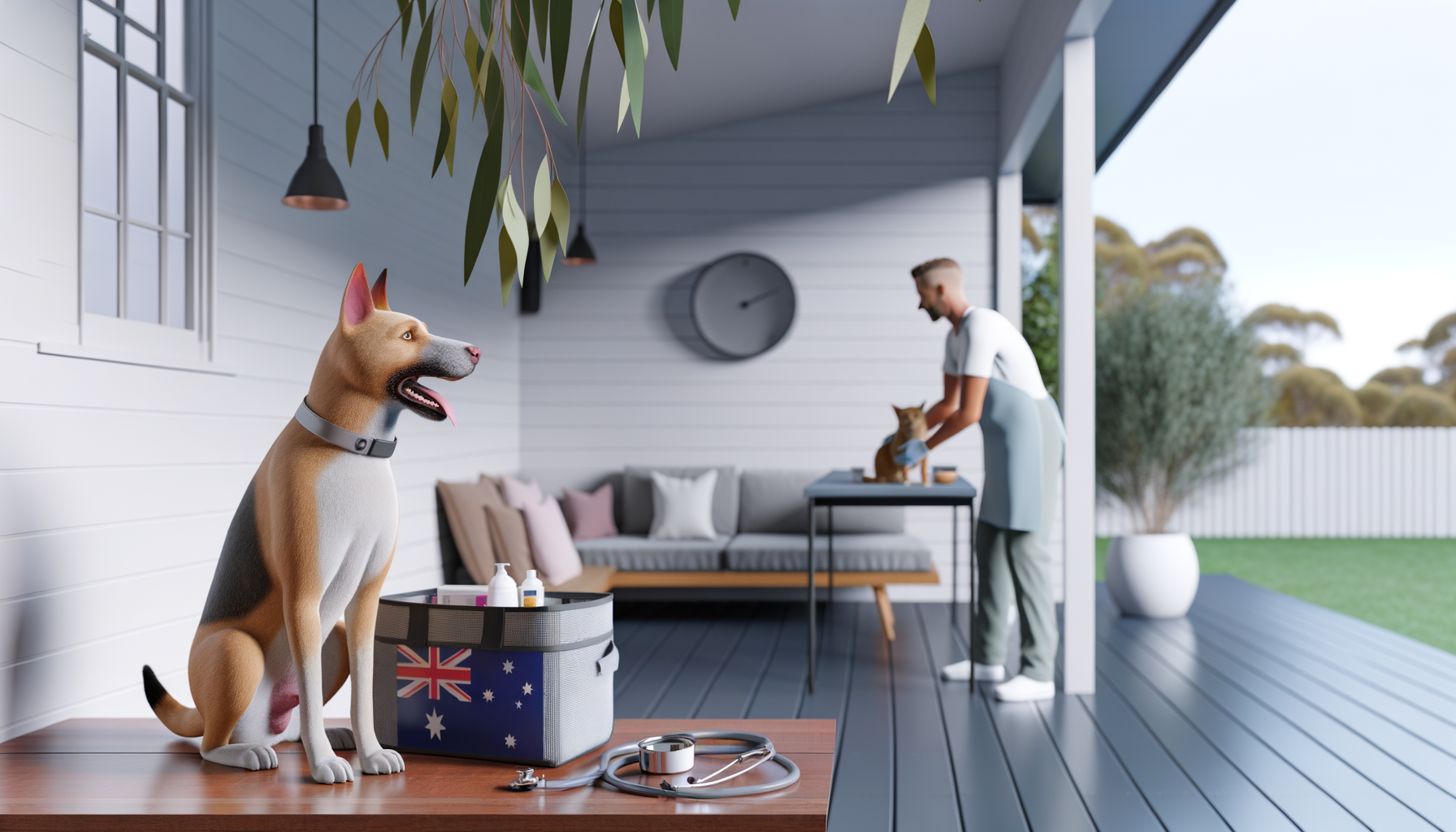
Australia's Most Popular Pet Names and Breeds of 2024
Your new puppy or kitten needs a name—but you're not alone in this decision.
Across Australia, thousands of pet owners are choosing names and breeds that reflect both global trends and distinctly Australian preferences. While some names have held their popularity for years, others are emerging from pop culture, human naming trends, and changing lifestyle preferences.
Here's what Australian pet owners are choosing in 2024, from the names topping registration lists to the breeds filling veterinary waiting rooms across the country.
Table of Contents
- Australia's Top Pet Names for 2024
- Most Popular Dog Breeds Across Australia
- Family-Friendly Breeds Lead the Pack
- Emerging Breed Trends
- Leading Cat Breeds and Preferences
- State-by-State Variations in Pet Preferences
- Factors Influencing Pet Name and Breed Choices
- Health Considerations for Popular Breeds
- Key Takeaways
Australia's Top Pet Names for 2024
Pet naming trends reveal fascinating insights into Australian culture, entertainment preferences, and social influences.
Dog names continue to favour classic choices. Bella maintains its crown as the most popular female dog name, while Charlie dominates male dog registrations. These names have consistently ranked in the top three positions across multiple Australian states for the past five years.
Other leading female dog names include Luna, Ruby, and Molly. Male dogs frequently receive names like Max, Cooper, and Buddy.
Cat naming follows different patterns. Australian cat owners increasingly choose human names, with Oliver, Lily, and Sophie gaining popularity. Traditional cat names like Whiskers and Mittens have largely disappeared from top-ten lists, replaced by names that reflect cats' status as family members rather than just pets.
Regional variations add local flavour. Queensland pet owners show stronger preferences for beach-themed names like Reef and Coral, while Victorian pet owners favour literary names such as Darcy and Austen.
Most Popular Dog Breeds Across Australia
Breed preferences reflect Australian lifestyles, climate considerations, and housing situations.
Family-Friendly Breeds Lead the Pack
Labrador Retrievers maintain their decades-long popularity. These dogs consistently rank as Australia's most registered breed, valued for their gentle temperament with children and adaptability to various living situations. Their moderate grooming needs and trainable nature make them ideal for first-time dog owners.
Golden Retrievers secure second place across most states, offering similar family-friendly traits with slightly higher grooming requirements. Border Collies round out the top three, particularly popular in rural areas where their herding instincts and high energy levels are better accommodated.
Emerging Breed Trends
Smaller breeds are gaining ground in urban areas. French Bulldogs have climbed dramatically in popularity, though their health considerations require careful breeder selection. Cavalier King Charles Spaniels appeal to apartment dwellers seeking smaller, gentler companions.
Designer breeds continue their upward trajectory. Labradoodles, Groodles (Golden Retriever-Poodle crosses), and Spoodles attract owners seeking lower-shedding alternatives to traditional breeds, though these crosses require research to ensure ethical breeding practices.
Leading Cat Breeds and Preferences
Australian cat ownership reflects both practical considerations and aesthetic preferences.
Domestic Shorthairs dominate registration numbers and shelter adoptions. These mixed-breed cats offer genetic diversity, fewer health issues, and lower acquisition costs compared to purebred alternatives. Their varied appearances and personalities provide unique companions for each household.
Purebred preferences favour low-maintenance options. British Shorthairs appeal to owners seeking calm, independent cats with minimal grooming needs. Ragdolls attract families wanting docile, child-friendly cats, though their long coats require regular brushing.
Exotic breeds face climate challenges. Persian cats and other flat-faced breeds struggle with Australia's heat, leading to declining popularity except in cooler southern regions. Veterinary advice increasingly emphasises choosing breeds suited to local climate conditions.
State-by-State Variations in Pet Preferences
Geographic differences reveal how climate, lifestyle, and local culture influence pet choices.
Northern states favour heat-tolerant breeds. Queensland and Northern Territory pet owners choose breeds adapted to tropical conditions. Short-coated dogs like Kelpies and Cattle Dogs remain popular, while long-haired breeds face practical challenges.
Southern states show greater breed diversity. Victoria, Tasmania, and South Australia support wider breed ranges, including cold-weather dogs like Huskies and Bernese Mountain Dogs. Cat breed preferences also expand in cooler climates.
Urban versus rural splits persist. Sydney and Melbourne registrations favour apartment-suitable breeds—smaller dogs and indoor cats. Rural areas maintain preferences for working breeds and outdoor-access cats.
Western Australia shows unique preferences for Australian native breed names, with increased registrations for dogs named after native animals and locations.
Factors Influencing Pet Name and Breed Choices
Multiple influences shape Australian pet naming and breed selection decisions.
Pop culture drives naming trends. Popular television shows, movies, and celebrity pets create naming waves that sweep across the country. The rise of Luna correlates with increased astronomy content in media, while Archie's popularity followed royal family coverage.
Social media amplifies certain breeds. Instagram-friendly breeds like French Bulldogs and Scottish Fold cats gain popularity partly through social media exposure, though this sometimes overlooks health considerations that require veterinary guidance.
Economic factors influence breed choices. Purchase prices, ongoing healthcare costs, and grooming requirements affect breed selection. Mixed breeds from shelters offer cost-effective alternatives while supporting animal welfare.
Lifestyle compatibility matters most. Successful pet ownership depends on matching pet needs with owner circumstances—exercise requirements, grooming demands, training needs, and space availability all influence appropriate choices.
Health Considerations for Popular Breeds
Popularity doesn't always align with health outcomes, making veterinary guidance essential.
Brachycephalic breeds require special attention. French Bulldogs, Pugs, and Persian cats face breathing difficulties, heat sensitivity, and surgical risks. These breeds need experienced owners and access to specialist veterinary care.
Large breed dogs need joint monitoring. Popular breeds like Labradors and Golden Retrievers are prone to hip dysplasia and elbow problems. Early screening and weight management help prevent complications.
Designer breeds lack predictable health profiles. First-generation crosses may avoid some purebred health issues but can also inherit problems from both parent breeds. Health testing of breeding stock becomes crucial for these combinations.
Regular veterinary check-ups help identify breed-specific issues early, regardless of popularity trends.
Key Takeaways
Classic names dominate but trends are shifting. Bella and Charlie remain top choices for dogs, while cat owners increasingly choose human names like Oliver and Lily. Pop culture and social media continue influencing naming trends across Australia.
Family-friendly breeds maintain their appeal. Labradors, Golden Retrievers, and Border Collies consistently rank as Australia's most popular dog breeds due to their temperaments and adaptability. Domestic Shorthair cats lead feline preferences for their health and variety.
Climate and lifestyle drive regional differences. Northern states favour heat-tolerant breeds while southern regions support greater diversity. Urban areas prefer apartment-suitable pets while rural owners choose working breeds.
Health should guide breed selection over popularity. Popular doesn't always mean healthy—brachycephalic breeds and some designer crosses require careful consideration and specialist veterinary care. Mixed breeds from shelters often provide healthier, more affordable alternatives.
Research before choosing. Whether selecting a name or breed, consider your pet's long-term needs, your lifestyle, and local climate. Consult your vet about breed-specific health considerations before making final decisions.
Frequently Asked Questions
What is the most popular dog name in Australia for 2024?
Bella remains the most popular female dog name, while Charlie continues to top the male dog name charts across Australia in 2024. These names have held their positions for several consecutive years.
What are the trending pet names for 2024?
Trending names include Luna, Milo, Willow, and Archie for dogs, while cats are seeing more human names like Oliver, Lily, and Sophie. Pop culture influences include names from popular TV shows and movies.
What's the most popular dog breed in Australia?
The Labrador Retriever maintains its position as Australia's most popular dog breed, followed closely by the Golden Retriever and Border Collie. These breeds are favoured for their family-friendly temperaments.
Which cat breeds are most popular in Australia?
Domestic Shorthairs lead cat breed preferences, followed by British Shorthairs and Ragdolls. Many Australian cat owners prefer mixed breeds from shelters and rescue organisations.
General Information
The information in this article is for general informational purposes only. It reflects publicly available data, general industry trends and broad guidance as at the time of writing, and details may change over time. This content is not personal, financial or veterinary advice. For guidance specific to your pet, always consult a registered veterinarian or relevant qualified professional.