
Virgin Australia Pets in Cabin Trial: What to Know in 2026
Table of Contents
What Is the Virgin Australia Pets in Cabin Trial?
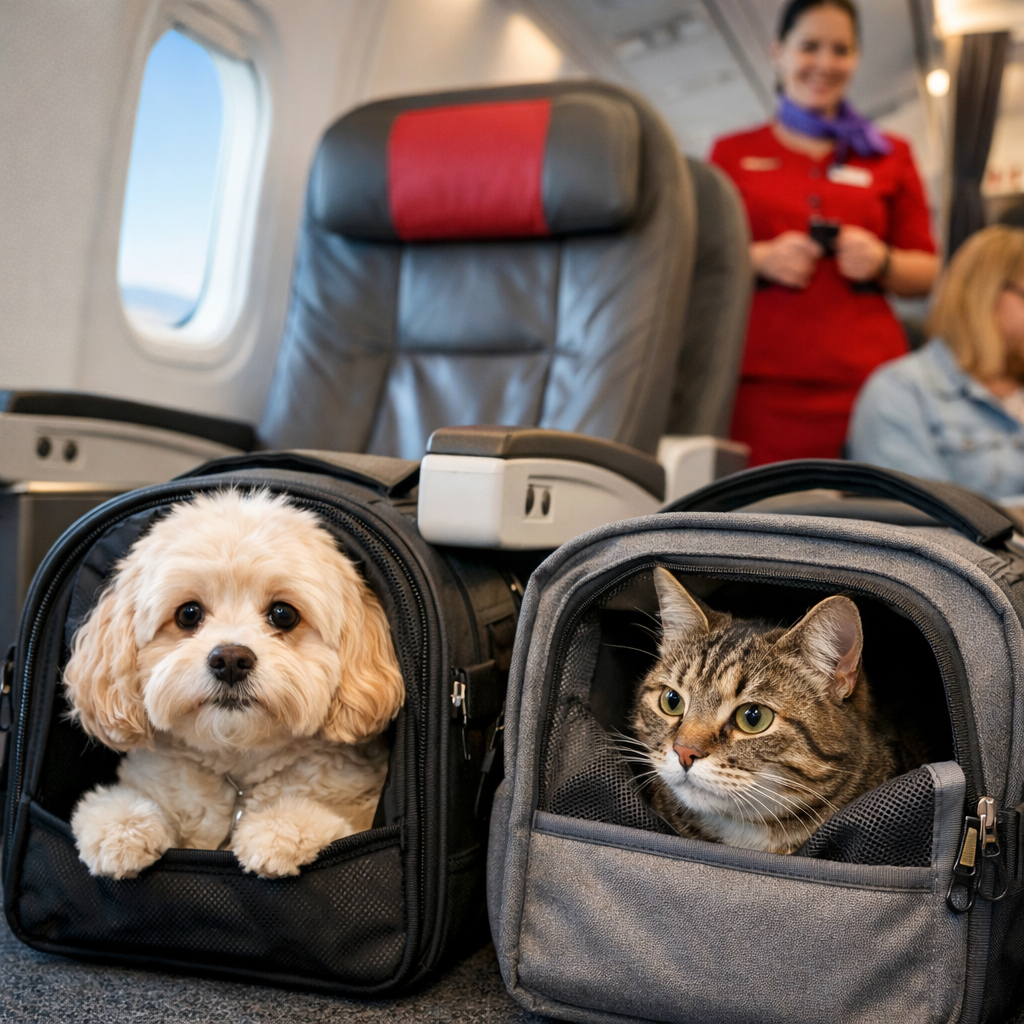
Virgin Australia made headlines when it launched a trial allowing small pets to travel in the cabin on select domestic routes. Following positive early feedback, the trial has been extended into 2026 — a significant development for Australian pet owners who have long envied similar programmes available overseas. While full national rollout is not guaranteed, the extension suggests the airline is carefully evaluating whether a permanent programme is viable. According to industry data, demand for pet-friendly travel options in Australia has grown considerably in recent years, reflecting how central pets are to family life.
Which Pets Are Eligible?
The trial has generally been limited to small dogs and cats that meet specific size and weight requirements, typically fitting comfortably in an approved carrier that can be stowed under the seat in front of you. Not all breeds or species are eligible, and restrictions may apply to snub-nosed (brachycephalic) breeds such as pugs, bulldogs, and Persian cats, as these animals can face breathing challenges in pressurised environments. If your pet falls into this category, it is especially important to speak with your vet before making any travel plans. Eligibility criteria can change, so always check directly with the airline for the most current requirements before booking.
Vet Health Checks and Documentation
Before your pet can fly in the cabin, you will almost certainly need to provide a current health certificate issued by a registered Australian veterinarian. This certificate confirms that your pet is fit to fly, up to date with vaccinations, and free from any signs of illness or distress. Most airlines require this documentation to be issued within a short window before travel — often seven to ten days prior to departure — so timing matters. A standard health check and travel certificate from an Australian vet typically costs somewhere in the range of $80–$180 AUD, depending on your location and clinic. If your pet requires any additional vaccinations or parasite treatments to meet the requirements, costs will increase accordingly. A vet may also discuss whether your individual pet's temperament and health history make cabin travel appropriate for them.
Preparing Your Pet for the Journey
For many pets, air travel is an unfamiliar and potentially stressful experience. Preparation in the weeks leading up to your flight can make a meaningful difference to your pet's wellbeing. Gradually introducing your pet to their travel carrier at home — making it a comfortable, familiar space — is widely recommended by veterinary professionals. Some pets may benefit from additional support during travel, and a vet may recommend calming strategies or other options suited to your pet's individual needs. Treatment options vary, and what works for one animal may not be appropriate for another, so always seek personalised guidance from your vet rather than relying on over-the-counter products without professional input.
What Will It Cost Overall?
Beyond the vet health certificate, pet owners should budget for the airline's pet travel fee, which has generally sat in the range of $50–$100 AUD per flight based on early trial pricing, though fees can change. An approved in-cabin pet carrier, if you do not already own one that meets airline specifications, may cost anywhere from $60–$200 AUD depending on quality and size. If your pet needs a pre-travel vet visit, vaccinations, or a microchip update, factor those costs in as well. For a first-time flight, total out-of-pocket expenses for preparation and travel could reasonably fall between $200–$500 AUD or more, depending on your circumstances.
Pet Insurance and Travel Cover
Not all pet insurance policies cover travel-related incidents or emergencies that occur away from home. Some insurers offer add-on travel cover, while others may have exclusions. Your insurer can confirm what is and is not covered. This article is general information only and is not a substitute for veterinary advice.
Plan Ahead and Stay Informed
The extension of this trial is an encouraging sign for pet-friendly travel in Australia, but the landscape can shift quickly. Requirements, routes, and availability may change throughout 2026 as the airline continues its assessment. Always confirm the latest conditions directly with the airline, and schedule your vet appointment well in advance to avoid last-minute stress. With the right preparation, travelling with your pet in the cabin can be a manageable and rewarding experience for both of you.
General Information
The information in this article is for general informational purposes only. It reflects publicly available data, general industry trends and broad guidance as at the time of writing, and details may change over time. This content is not personal, financial or veterinary advice. For guidance specific to your pet, always consult a registered veterinarian or relevant qualified professional.