
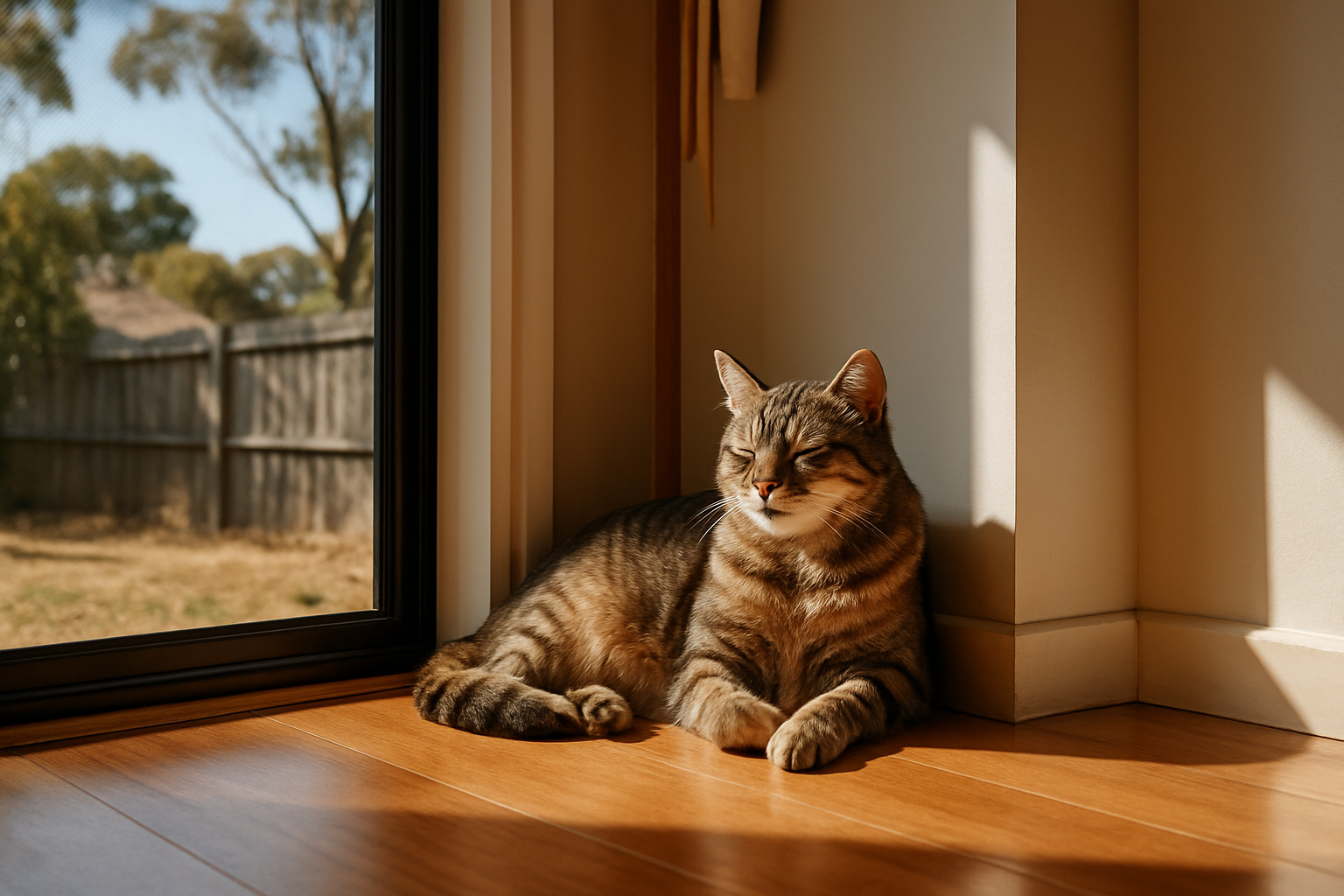
Cat Containment Rules in Australia: Check Your Local Laws
Cat containment rules in Australia vary by state and local council. Some areas require cats to be kept indoors at night, others enforce 24-hour containment. Owners should check with their local council for specific bylaws, as penalties for non-compliance can apply and rules are becoming stricter across the country.
Table of Contents
- Why Cat Containment Rules in Australia Are Changing
- How Cat Curfew Laws Differ Across Australia
- Cat Registration and Microchipping Requirements
- Practical Options for Containing Your Cat
- Cat Enclosure Requirements Set by Councils
- What Happens If Your Cat Is Found Outside the Rules
- Keeping Your Cat Healthy Within a Contained Environment
- Steps Every Australian Cat Owner Should Take Now
Why Cat Containment Rules in Australia Are Changing
Cat containment rules in Australia have become a serious topic for local governments, wildlife advocates, and pet owners alike. Over the past decade, councils across every state and territory have introduced or tightened regulations governing where and when pet cats can roam. If you own a cat in Australia, understanding these rules is no longer optional — non-compliance can result in fines, impoundment, or other penalties depending on your local area.
The push for stricter containment is largely driven by environmental concerns. According to research published by Australian wildlife organisations, free-roaming cats are responsible for significant predation of native birds, reptiles, and small mammals. At the same time, outdoor cats face genuine risks of their own, including road trauma, disease exposure, and conflict with other animals. The regulatory trend reflects a broader effort to balance responsible pet ownership with environmental stewardship.
How Cat Curfew Laws Differ Across Australia
One of the most important things to understand about cat containment in Australia is that there is no single national standard. Regulations are set at the state and local council level, which means the rules in one suburb can be quite different from those just a few kilometres away. This patchwork of legislation means every cat owner needs to do their own homework based on their specific address.
In the Australian Capital Territory, for example, cat containment laws are among the strictest in the country. All pet cats must be kept within the owner's property at all times, and new cat owners must provide an approved enclosure or keep their cat permanently indoors. In contrast, many regional areas of Queensland or New South Wales may only require cats to be contained during certain hours — often overnight — rather than around the clock. Western Australia, South Australia, and Victoria each have their own frameworks, with some local councils layering additional restrictions on top of state minimums.
The practical takeaway is straightforward: do not assume your previous experience in one postcode applies to a new address. If you have recently moved, or if you are a first-time cat owner, contact your local council directly to confirm the current requirements. Council websites often publish their animal management policies, but calling or emailing is the most reliable way to get accurate, up-to-date information.
Cat Registration and Microchipping Requirements
Alongside containment rules, most Australian states and territories require cat owners to register their pet with the local council and have them microchipped. Registration fees vary widely — typically somewhere between $20 and $80 AUD annually, though desexed cats often attract a reduced rate as an incentive for responsible ownership. Microchipping is generally a one-off cost, usually falling in the range of $50 to $80 AUD when done through a vet clinic.
These requirements exist for practical reasons. A registered, microchipped cat that is found roaming or impounded can be returned to its owner quickly, reducing stress for both the animal and the family. Unregistered cats that end up in council pounds may be rehomed or euthanised if an owner cannot be identified. If you are unsure whether your cat is correctly registered in your current council area, it is worth checking sooner rather than later. You can find a vet near you who can confirm your cat's microchip details and advise on local registration processes.
Practical Options for Containing Your Cat
Meeting cat containment requirements does not have to mean keeping your cat cooped up indoors with no stimulation. Australian pet owners have embraced a range of creative and welfare-friendly solutions that allow cats to experience the outdoors safely and legally.
Purpose-built cat enclosures — sometimes called 'catios' — have grown significantly in popularity. These can range from small window-box attachments to large walk-in structures that encompass much of a backyard. Costs vary considerably depending on size and materials, from DIY builds using affordable mesh kits (typically $100 to $400 AUD) through to custom-designed structures that can reach several thousand dollars. Cat-proof fencing systems using roller bars or inward-angled toppers are another option that works well for larger properties, with installation costs generally sitting between $800 and $2,500 AUD depending on the perimeter involved.
For owners of indoor-only cats, environmental enrichment becomes especially important. Puzzle feeders, climbing structures, window perches, and interactive play sessions all help a contained cat thrive mentally and physically. A cat that is mentally stimulated and physically active tends to show fewer behavioural issues — something that benefits both the animal and the household. For more ideas, browse our pet care advice section for enrichment tips suited to Australian conditions.
Cat Enclosure Requirements Set by Councils
Some councils that mandate containment also specify minimum standards for what a suitable enclosure must look like. In the ACT, for instance, regulations outline requirements around structure integrity, size, and weather protection. Before investing in an enclosure, it is worth downloading or requesting your council's approved enclosure guidelines to make sure any structure you install — whether purchased or DIY — will meet the standard. An enclosure that does not comply may not satisfy your legal obligations even if it looks substantial.
What Happens If Your Cat Is Found Outside the Rules
If a council ranger finds your cat roaming in an area with containment requirements, the consequences can range from a formal warning to an infringement notice. Fine amounts differ between councils but can sit anywhere from $100 to over $500 AUD for repeat offences in some jurisdictions. Impoundment fees add further cost — owners typically pay a daily holding fee plus any required vaccinations or treatments administered while the animal is in care.
Beyond the financial penalties, repeated non-compliance can attract greater scrutiny from animal management officers, and in some cases councils have powers to require surrender of an animal considered a persistent nuisance. None of these outcomes are desirable, and they are easily avoided by understanding the local rules that apply to your address and taking reasonable steps to meet them.
Keeping Your Cat Healthy Within a Contained Environment
A contained cat still needs regular veterinary care, and in some respects indoor or enclosure-kept cats require extra attention to weight management and dental health since they tend to be less active than free-roaming animals. Annual wellness checks, parasite prevention, and keeping vaccinations current remain important regardless of your cat's lifestyle. This article is general information only and is not a substitute for veterinary advice.
Vet costs for routine cat care in Australia can vary depending on your location, the clinic, and your cat's individual needs. A standard annual health check typically costs between $60 and $120 AUD, while dental cleans under anaesthetic commonly range from $300 to $700 AUD. Unexpected illnesses or injuries can run considerably higher. Many owners find that pet insurance helps manage these costs, particularly for accidents or conditions that require specialist care. It is worth exploring what cover is available and reading policy details carefully to understand any exclusions.
Steps Every Australian Cat Owner Should Take Now
If you have not already done so, the most important step is to contact your local council and ask specifically about cat containment and registration requirements in your area. Keep a record of the response — having written confirmation of what is required can be useful if any disputes arise later. Check whether your cat is currently registered, confirm the microchip details are up to date with your current contact information, and assess whether your property meets any enclosure requirements that apply.
Staying informed as regulations evolve is also worthwhile. Local councils sometimes update their animal management policies, and what was acceptable a few years ago may no longer comply. Signing up for council newsletters or checking the council website periodically ensures you will not be caught off-guard by changes. Responsible cat ownership in Australia today means engaging with these rules actively, not just assuming everything is fine.
Frequently Asked Questions
Are there national cat containment laws in Australia?
No, there is no single national law governing cat containment in Australia. Rules are set by state and territory governments and further refined by local councils, meaning requirements differ significantly from one area to another. Always check with your specific local council for the rules that apply to your address.
Do I have to keep my cat inside all the time?
It depends entirely on where you live. Some areas — like the ACT — require full-time containment, while other councils only enforce a night curfew or have no specific containment rules at all. Contact your local council to find out what applies in your suburb or town.
What is a cat curfew and where does it apply in Australia?
A cat curfew means cats must be kept on their owner's property during certain hours, usually overnight — commonly from dusk to dawn. Curfew rules are common in many councils across NSW, Victoria, Queensland, and other states, though the exact hours and penalties for non-compliance vary by location.
Do I need to register my cat with the council?
In most parts of Australia, yes. Cat registration with the local council is required in the majority of states and territories. Fees vary but are generally reduced for desexed cats. Microchipping is also compulsory in most jurisdictions. Check with your council for the specific requirements and fee structure in your area.
What is an approved cat enclosure?
An approved cat enclosure is a structure that meets council standards for keeping a cat safely contained on your property. Requirements can include minimum size, structural integrity, and weather protection. Some councils publish specific guidelines — it is best to check before building or purchasing any enclosure to ensure it will satisfy the local rules.
What are the fines for letting my cat roam?
Fines for non-compliance with cat containment laws vary widely between councils but can range from around $100 AUD for a first offence to over $500 AUD for repeat violations in some areas. Additional impoundment fees may also apply if your cat is picked up by council rangers.
Can a contained cat still live a happy and healthy life?
Yes, with appropriate enrichment, a contained cat can live a full and happy life. Climbing structures, puzzle feeders, interactive toys, window access, and safe outdoor enclosures all help meet a cat's physical and mental needs. Regular vet checkups are still important to monitor weight, dental health, and general wellbeing.
How do I find out the cat containment rules for my local council?
The most reliable approach is to contact your local council directly — either by phone, email, or through their website. Search for the animal management or domestic animals section of your council's website, or call the general enquiries line and ask to speak with an animal management officer.
General Care Guidance
The care information in this article is a helpful starting point, not a complete or personalised care plan for cats. Individual cats have different health and environmental needs based on species, breed, age and history. Consult a vet experienced in caring for cats for guidance tailored to your specific animal. If your cat is unwell, do not rely on general care articles — seek professional veterinary assessment without delay.