
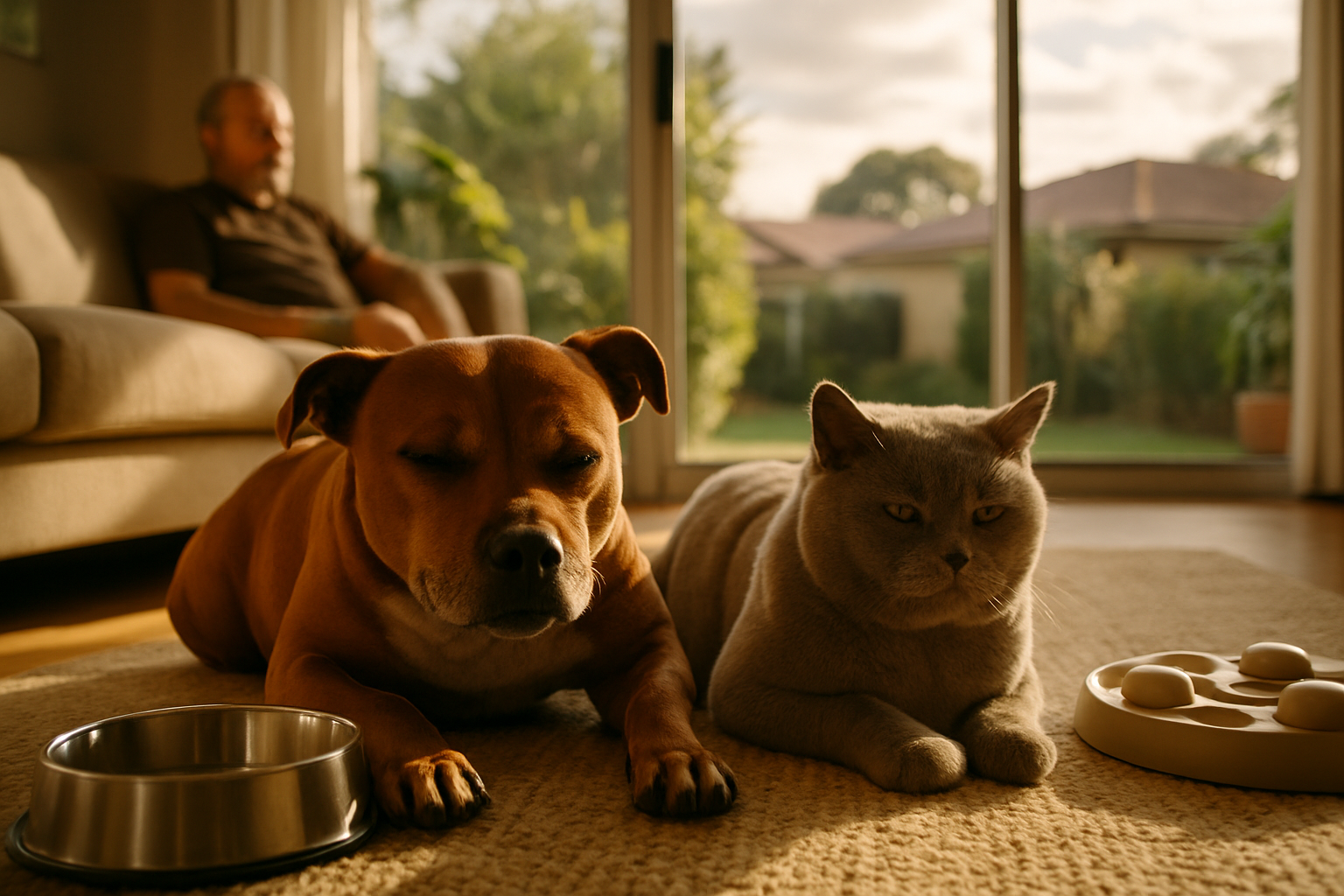
Australian Pet Ownership Trends: What's Changing
Australian pet ownership trends show that dog and cat owners are spending more on preventive care, premium nutrition, and mental enrichment than ever before. According to industry data, pet ownership rates remain among the highest in the world, and owners are increasingly treating their animals as full family members.
Table of Contents
- How Australian Pet Ownership Has Shifted in Recent Years
- Preventive Vet Care Is Becoming the New Normal
- Dental Health Getting More Attention
- Premium Nutrition and Functional Foods for Pets
- Mental Enrichment and Behavioural Wellbeing on the Rise
- Dog and Cat Owners in Australia Are Spending More on Vet Care
- The Growth of Multi-Pet Households and Desexing Awareness
- What These Trends Mean for Australian Pet Owners
How Australian Pet Ownership Has Shifted in Recent Years
Australian pet ownership trends have changed considerably over the past five years, with industry data consistently showing that Australians are among the most pet-connected populations in the world. Research suggests that well over half of Australian households include at least one pet, with dogs and cats accounting for the vast majority. What has changed most noticeably is not how many people own pets, but how those owners approach the responsibility — with greater emphasis on health, wellbeing, and quality of life.
The COVID-19 pandemic accelerated a shift that was already underway. Working from home meant owners spent more time observing their pets' daily behaviour, which led many to notice health concerns earlier and seek veterinary attention more readily. According to industry reports, vet clinic visit rates rose meaningfully during this period and have remained elevated. This article is general information only and is not a substitute for veterinary advice.
Preventive Vet Care Is Becoming the New Normal
One of the clearest signals in recent industry data is the growing uptake of preventive veterinary care. Rather than visiting a vet only when a pet is visibly unwell, more Australian dog and cat owners are scheduling annual wellness checks, dental assessments, and parasite screening as routine parts of their pet care calendar. Vets across the country have noted this shift, with many practices reporting higher demand for health screening packages and senior pet check-ups.
The cost of a standard preventive health consultation typically falls somewhere in the range of $80–$180 AUD, depending on the clinic's location and the services included. For senior pets or those requiring additional screening, costs can sit higher. Owners wanting a clearer picture of what a visit might involve can upload a vet bill to see how costs break down and compare with typical ranges.
Dental Health Getting More Attention
Dental disease is one of the most common conditions seen in Australian cats and dogs, and awareness among owners has grown markedly. More owners are now asking about at-home dental hygiene routines and scheduling professional dental cleans before problems escalate. A professional dental procedure under anaesthesia typically costs between $400–$900 AUD, though this varies depending on the extent of treatment required. Catching dental issues early through preventive check-ups can often reduce the complexity of any treatment needed.
Premium Nutrition and Functional Foods for Pets
Walk into any large pet retailer in Australia today and the nutrition aisle looks very different from a decade ago. Research into consumer behaviour suggests Australian pet owners are increasingly selecting foods based on ingredient quality, species-appropriate formulations, and specific health claims — such as joint support, gut health, or skin and coat condition. Raw feeding, freeze-dried diets, and fresh-cooked meal services have all grown in popularity, reflecting broader trends in how Australians think about food generally.
Spending on premium pet food has risen accordingly. Where a standard dry food might cost $30–$60 AUD per month for a medium-sized dog, premium or prescription diets can run $80–$180 AUD monthly or more. Not all premium-labelled products carry verified veterinary backing, and owners considering a significant dietary change for a pet with a health condition are encouraged to speak with a vet before making the switch. A vet can assess whether a particular diet suits the individual animal's needs.
Mental Enrichment and Behavioural Wellbeing on the Rise
Alongside physical health, Australian pet owners are paying more attention to their animals' psychological wellbeing. Sales of enrichment products — puzzle feeders, snuffle mats, lick mats, interactive toys, and scent-based activities — have risen steadily, and the concept of environmental enrichment is now a regular topic in veterinary consultations and pet care media. Cats in particular benefit from enrichment that mimics natural hunting and foraging behaviour, and this is reflected in the growing market for indoor cat furniture and activity stations.
Behavioural consultations with veterinary behaviourists or qualified animal behaviourists are also being sought more frequently. These consultations, which typically range from $200–$500 AUD for an initial appointment, address concerns such as anxiety, reactivity, and compulsive behaviours. Industry observers note that greater owner awareness of anxiety in pets — particularly separation anxiety in dogs after owners returned to workplaces post-pandemic — has driven demand for both professional support and at-home management strategies.
Dog and Cat Owners in Australia Are Spending More on Vet Care
Rising vet costs in Australia reflect a combination of factors: advances in veterinary medicine, increased staffing costs, and the simple fact that owners are requesting more sophisticated care than previous generations. Specialist referrals, advanced imaging such as MRI and CT, and minimally invasive surgical techniques are now more widely available in Australian capital cities and larger regional centres. These services come at a cost — specialist consultations often start at $300–$500 AUD, with imaging or surgical procedures potentially running into the thousands.
For many owners, the financial side of veterinary care is a significant consideration. Some pet insurance policies cover part of these costs, subject to the policy's terms, waiting periods and exclusions. Regardless of how owners plan to manage costs, understanding what to expect financially before a health event occurs is something many Australian vets now actively encourage during wellness visits. For broader guidance on pet care advice, a range of topics is covered across the VetCompare resource library.
The Growth of Multi-Pet Households and Desexing Awareness
According to industry surveys, multi-pet households are increasingly common in Australia, with many dog owners also sharing their home with a cat, and vice versa. Managing multiple animals brings added complexity around introductions, feeding routines, and veterinary scheduling, and a growing number of owners are turning to professional guidance — whether from vets, trainers, or behaviourists — to navigate this.
Desexing rates have also climbed, partly due to sustained education campaigns from animal welfare organisations and local councils. Desexing a cat typically costs between $200–$400 AUD, while desexing a dog can range from $300–$600 AUD or more depending on size, sex, and clinic location. Many Australian councils offer reduced registration fees for desexed pets, which has encouraged uptake among cost-conscious owners.
What These Trends Mean for Australian Pet Owners
Taken together, these shifts paint a picture of a pet-owning population that is more engaged, better informed, and willing to invest more — in time, attention, and money — than previous generations. Research suggests that Australian dog and cat owners increasingly view their pets as family members rather than animals with purely practical roles, and this is reshaping everything from the design of vet clinics to the range of services offered.
For owners trying to make sense of what quality care looks like in their area, it can help to understand what services local clinics provide and what typical costs look like in your postcode. A good starting point is to find a vet near you and ask about their approach to preventive care during an initial consultation. The landscape of Australian pet ownership is evolving, and staying informed helps owners make thoughtful decisions for the animals in their care.
Frequently Asked Questions
What are the biggest Australian pet ownership trends right now?
According to industry data, the most significant trends include rising uptake of preventive veterinary care, greater spending on premium nutrition, increased focus on pet mental enrichment, and higher rates of desexing. Multi-pet households are also becoming more common across Australia.
Are Australians spending more on their pets than before?
Yes. Research suggests that Australian pet owners are spending more on veterinary care, premium food, enrichment products, and behavioural support than in previous years. This reflects both the rising cost of services and a broader shift toward treating pets as full family members.
How often should Australian dog and cat owners visit the vet?
Most Australian vets recommend at least one wellness check per year for healthy adult pets, and more frequent visits for puppies, kittens, or senior animals. Your vet can advise on the right schedule based on your pet's age, breed, and health history.
Why are vet costs rising in Australia?
Rising vet costs in Australia reflect advances in veterinary medicine, higher staffing and operational costs, and increased demand for specialist services and diagnostic technology. The growing expectation among owners for high-quality, comprehensive care has also contributed to the upward trend.
Is preventive vet care worth it for dogs and cats?
Preventive care — including annual check-ups, dental assessments, and parasite screening — can help identify health concerns before they become serious. Your vet is the best person to advise on what preventive care is appropriate for your individual pet.
What enrichment activities are popular among Australian cat and dog owners?
Popular enrichment options include puzzle feeders, snuffle mats, lick mats, interactive toys, and scent-based games for dogs. For cats, indoor climbing structures, window perches, and foraging activities are widely used. A vet or animal behaviourist can suggest enrichment suited to your pet's needs.
How much does desexing a dog or cat cost in Australia?
Desexing costs vary depending on the animal's size, sex, and the clinic's location. As a general guide, desexing a cat typically costs $200–$400 AUD, while desexing a dog can range from $300–$600 AUD or more. Contact your local vet clinic for an accurate quote.
What should Australian pet owners know about pet behavioural consultations?
Behavioural consultations with a veterinary behaviourist or qualified animal behaviourist are available in most Australian capital cities and some regional areas. Initial appointments typically cost $200–$500 AUD. They can help address concerns like anxiety, reactivity, or compulsive behaviours in dogs and cats.
General Health Guidance — Not a Diagnosis
The health and care guidance in this article is general in nature and does not account for your pet's individual needs. Every animal is different — a prevention product, diet or care approach that suits one pet may not be appropriate for another. Always consult a registered veterinarian before changing your pet's health routine or starting any treatment. This article is not a substitute for a professional veterinary examination or personalised advice.