
Why Is Desexing So Expensive in Australia? What Drives the Price
Desexing in Australia is expensive because it is a general anaesthetic surgical procedure requiring a qualified vet surgeon, monitoring equipment, sterile theatre conditions, and post-operative care. Prices typically range from $200–$600 for cats and $300–$1,000 or more for dogs, depending on size, sex, and clinic location.
Table of Contents
- The Real Reason Desexing Costs What It Does
- What Is Actually Included in a Desexing Quote
- Optional Extras That Can Add to the Final Bill
- Why the Desexing Cost Varies So Much Between Pets and Clinics
- The Labour and Expertise Behind Every Procedure
- Low-Cost Desexing Options Available in Australia
- Understanding the Price in the Context of Your Pet's Health
The Real Reason Desexing Costs What It Does
If you've found yourself wondering why is desexing expensive in Australia, you're far from alone. It's one of the most common questions pet owners ask after receiving a quote from their vet, and the honest answer is that the price reflects genuine medical complexity. Desexing — whether a spey (ovariohysterectomy or ovariectomy) for a female pet or a castration for a male — is a real surgical procedure performed under general anaesthesia in a sterile clinical environment. It is not a simple injection or a quick outpatient visit.
The Australian veterinary system is also subject to strict professional and workplace standards. Clinics must employ qualified veterinarians and trained support staff, maintain proper surgical facilities, use regulated anaesthetic agents, and follow infection control protocols. All of that infrastructure has a cost, and that cost is ultimately reflected in what you pay. Understanding this can help shift the question from 'is this too expensive?' to 'what exactly am I paying for?'
What Is Actually Included in a Desexing Quote
A standard desexing quote from an Australian vet clinic typically bundles together several distinct services. Most of the price covers the anaesthesia itself — including the pre-anaesthetic drugs, the induction agent, the gas used to maintain anaesthesia throughout the procedure, and the monitoring equipment that tracks your pet's heart rate, oxygen levels, and breathing in real time. A dedicated nurse or technician is usually assigned solely to monitoring your pet while they are under — a critical safety measure that adds to the labour cost.
On top of anaesthesia, the quote generally includes the surgeon's time, sterile surgical draping and instruments, suture materials, and post-operative pain relief medication to send home. A pre-anaesthetic health check is also commonly included or offered as an add-on, and some clinics include a follow-up consultation to check the wound. When you compare what is actually provided, the cost starts to make more sense.
Optional Extras That Can Add to the Final Bill
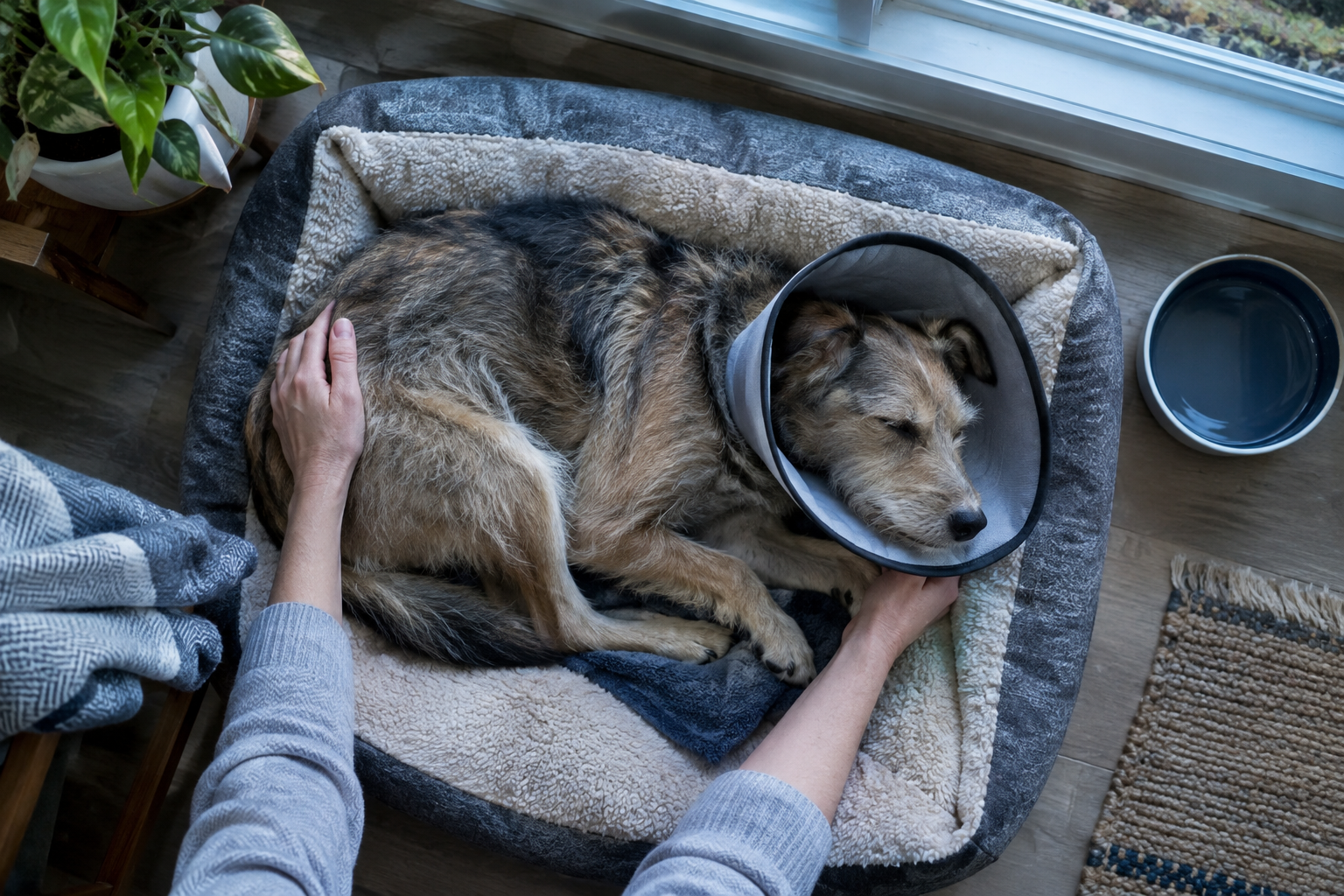
Beyond the standard procedure, clinics may offer or recommend additional services that increase the total cost. Pre-anaesthetic blood testing is one of the most common — it screens for underlying conditions that could make anaesthesia riskier, particularly in older or unwell animals. Intravenous fluid support during surgery, additional pain relief, a microchip, or a take-home Elizabethan collar (the cone) may also appear as line items. These extras are generally optional, but some vets strongly recommend certain ones based on your pet's age or health status. It's worth asking your vet which items are included in the base quote and which are additional, so you aren't caught off guard when you arrive to collect your pet.
Why the Desexing Cost Varies So Much Between Pets and Clinics
The variation in desexing cost across Australia can be significant, and several factors explain why. For dogs, body weight is a major driver — larger dogs require higher doses of anaesthetic drugs and more surgical time, which increases costs directly. A small female dog might be quoted between $300 and $600, while a large breed female spey can reach $800 to $1,200 or more at some urban clinics. Female animals are generally more expensive to desex than males because the procedure involves entering the abdominal cavity, which is more complex and time-consuming.
Geographic location also plays a meaningful role. Clinics in major cities — particularly Sydney, Melbourne, and Brisbane — tend to have higher overheads including rent, wages, and insurance, and these costs flow through to pricing. Regional and rural clinics may charge less in some cases, though reduced access to specialist equipment can occasionally work the other way. For a detailed breakdown of what you might expect to pay for your specific pet, see the full desexing cost guide for dogs and cats in Australia.
The Labour and Expertise Behind Every Procedure
Veterinary labour is one of the most significant components of any surgical bill, and it is often underestimated by pet owners. In Australia, a registered veterinarian must complete a five-year university degree before they can practise, and further training is required to develop surgical competency. Specialist veterinary surgeons — who hold additional qualifications through bodies such as the Australian and New Zealand College of Veterinary Scientists — have undergone years of advanced training and typically charge more than general practitioners. Even at a general practice clinic, your pet benefits from the years of skill and experience behind the hands holding the scalpel.
Supporting the vet are veterinary nurses and technicians who prepare your pet, administer pre-operative medications, assist in theatre, monitor anaesthesia, and manage your pet's recovery in the hours after surgery. This team-based approach to care is essential for patient safety and is built into the cost of the procedure. Australian veterinary nurses are also increasingly trained to a formal Certificate IV or higher qualification level, reflecting a professionalisation of the support workforce that comes with corresponding wage expectations.
Low-Cost Desexing Options Available in Australia
If the standard clinic price is out of reach, there are some lower-cost pathways worth exploring. Many state and territory governments, as well as local councils, run subsidised desexing programmes, particularly for low-income households and rescue animals. Organisations such as the RSPCA and various breed-specific rescue groups sometimes offer vouchers or access to reduced-cost clinics as part of their adoption programmes. These programmes exist because desexing is strongly linked to animal welfare outcomes, including reducing the number of unwanted animals entering shelters.
Veterinary teaching hospitals — such as those attached to the University of Queensland, the University of Melbourne, Murdoch University, and Charles Sturt University — may also offer lower-cost procedures performed by supervised veterinary students. The level of supervision is high, but wait times can be longer and appointments less flexible. If you're exploring options, find a vet near you and ask directly whether they know of any current council rebates or community programmes in your area. This article is general information only and is not a substitute for veterinary advice.
Understanding the Price in the Context of Your Pet's Health
It's worth viewing desexing not just as an upfront cost, but as a one-time procedure with long-term implications for your pet's health. Desexing eliminates the risk of certain reproductive conditions — including pyometra, a serious and potentially life-threatening uterine infection in females — and reduces the incidence of some cancers and behavioural issues. The longer-term health trajectory of a desexed pet may involve fewer unplanned vet visits over their lifetime, though individual outcomes vary and the evidence on some long-term effects continues to be refined.
Some pet insurance policies cover part of these costs, subject to the policy's terms, waiting periods and exclusions. If you want to better understand what vet bills cover or how your quote compares to what others pay, you can upload a vet bill to VetCompare for a clearer picture. The goal is never to discourage the procedure on cost grounds, but to help you go into it informed and without unwelcome surprises.
Frequently Asked Questions
Why is desexing so expensive in Australia compared to other countries?
Australia has high costs of living, strict workplace and professional standards, and a well-regulated veterinary industry. Vet clinics must pay qualified staff competitive wages, maintain sterile surgical facilities, and use regulated anaesthetic drugs and monitoring equipment — all of which add to the cost of any surgical procedure, including desexing.
How much does it typically cost to desex a dog in Australia?
The cost varies considerably depending on your dog's sex, size, and your location. Male dogs are generally less expensive to castrate, with prices typically ranging from $300 to $600. Female dogs require a more complex abdominal procedure, and spey costs commonly range from $400 to $1,200 or more for large breeds at metropolitan clinics.
How much does it cost to desex a cat in Australia?
Cat desexing is generally less expensive than dog desexing due to smaller body size and shorter anaesthesia times. Male cat castration typically costs between $200 and $400, while female cat speying generally ranges from $250 to $500, though prices can vary between clinics and regions.
Is there a cheaper way to get my pet desexed in Australia?
Yes, some options exist for lower-cost desexing. State and local council subsidy programmes, RSPCA voucher schemes, and veterinary teaching hospitals may offer reduced-price procedures. Eligibility criteria vary, so it's worth contacting your local council or nearest university vet school to ask what's available in your area.
What is included in the price of desexing?
A standard desexing quote usually includes the pre-anaesthetic assessment, anaesthetic drugs and gas, intraoperative monitoring by a trained nurse, the surgical procedure itself, suture materials, and post-operative pain relief to take home. Some clinics include a follow-up wound check. Blood testing, IV fluids, and microchipping are often available as optional extras.
Why does it cost more to desex a female dog than a male dog?
A female desexing (spey) involves entering the abdominal cavity to remove the ovaries or uterus and ovaries, which is a more complex and time-consuming surgery than a male castration. The increased surgical time, greater use of anaesthetic agents, and higher skill requirement all contribute to the higher price.
Can I negotiate the price of desexing with my vet?
It's reasonable to ask your vet clinic what is included in their quote and whether any optional extras can be removed to reduce the cost. Some clinics also offer payment plans. However, vets are unlikely to reduce the base surgical fee significantly, as it reflects genuine costs of running a safe, properly equipped practice.
At what age should I get my pet desexed in Australia?
Recommended desexing age can vary depending on the species, breed, and sex of your pet, and guidance in this area continues to evolve — particularly for large and giant breed dogs. Your vet is the best person to advise on the right timing for your individual pet based on their current health and circumstances.
General Health Guidance — Not a Diagnosis
The health and care guidance in this article is general in nature and does not account for your pet's individual needs. Every animal is different — a prevention product, diet or care approach that suits one pet may not be appropriate for another. Always consult a registered veterinarian before changing your pet's health routine or starting any treatment. This article is not a substitute for a professional veterinary examination or personalised advice. Price ranges in this article are indicative only, based on general market data across Australia. What you pay for your pet's care will depend on your location, the clinic you choose, your pet's size, breed and health status, the complexity of the procedure, and whether diagnostics, medications or after-hours care are required. Always request a personalised quote directly from your vet before proceeding with any treatment. This article is not a formal cost estimate for your specific pet and is not financial advice.